

Access to Support Fund for children & adults
Helping People Access Post-Diagnostic Support
Lycali's Access to Support Fund provides funded access to a block of post-diagnostic psychoeducation sessions for selected applicants. The fund supports children, young people, adults and families following an autism, ADHD or dyslexia diagnosis or identification.
What Does the Fund Provide?
One selected applicant per month receives a funded 6-session block of Lycali post-diagnostic psychoeducation, designed to support understanding, confidence and practical next steps after diagnosis.
Apply Online
Complete the application form so Lycali can understand your current needs and the support you are seeking.
Monthly Review
Applications are reviewed after the monthly application window closes.
Funded Support
One selected applicant receives a funded block of 6 post-diagnostic psychoeducation sessions.
Feedback & Impact
We ask for feedback after support so we can understand its impact and continue developing the fund.
What the Sessions Can Support
The six sessions are individualised around the person, their diagnosis and the areas that matter most in everyday life.
Who Can Apply?
The fund is designed to reduce barriers to structured post-diagnostic support and is not means-tested.
Children & Young People
Applications can be made for children, typically aged 7+, and young people who would benefit from age-appropriate post-diagnostic support.
Adults
Adults can apply for support to understand a diagnosis or identification and develop practical strategies for everyday life.
Parents & Carers
Parents or carers may apply for guidance following a child's autism, ADHD or dyslexia diagnosis or identification.
You May Apply If
- You or your child has received a diagnosis or identification
- Structured post-diagnostic support would be helpful
- Accessing private support is currently difficult
- You can attend the full block of 6 sessions
Supported Diagnoses
- Autism
- ADHD
- Dyslexia
- Overlapping needs can be discussed
Selection
Applications are reviewed carefully and confidentially. Applying does not guarantee a funded place, and demand may exceed the places available.
Application Timeline
Applications are considered in monthly cycles so the process is clear and consistent.
Application Window
Submit the online application at any point during the current calendar month.
Outcome Notification
Successful applicants are contacted by the 7th of the following month, wherever possible.
Sessions Begin
Sessions can begin after allocation, subject to clinician availability and individual circumstances.
Where Sessions Take Place
Lycali will discuss the most appropriate format with the successful applicant.
Online Across the UK
Online sessions are available nationwide where this is suitable for the individual.
In Person in Kent
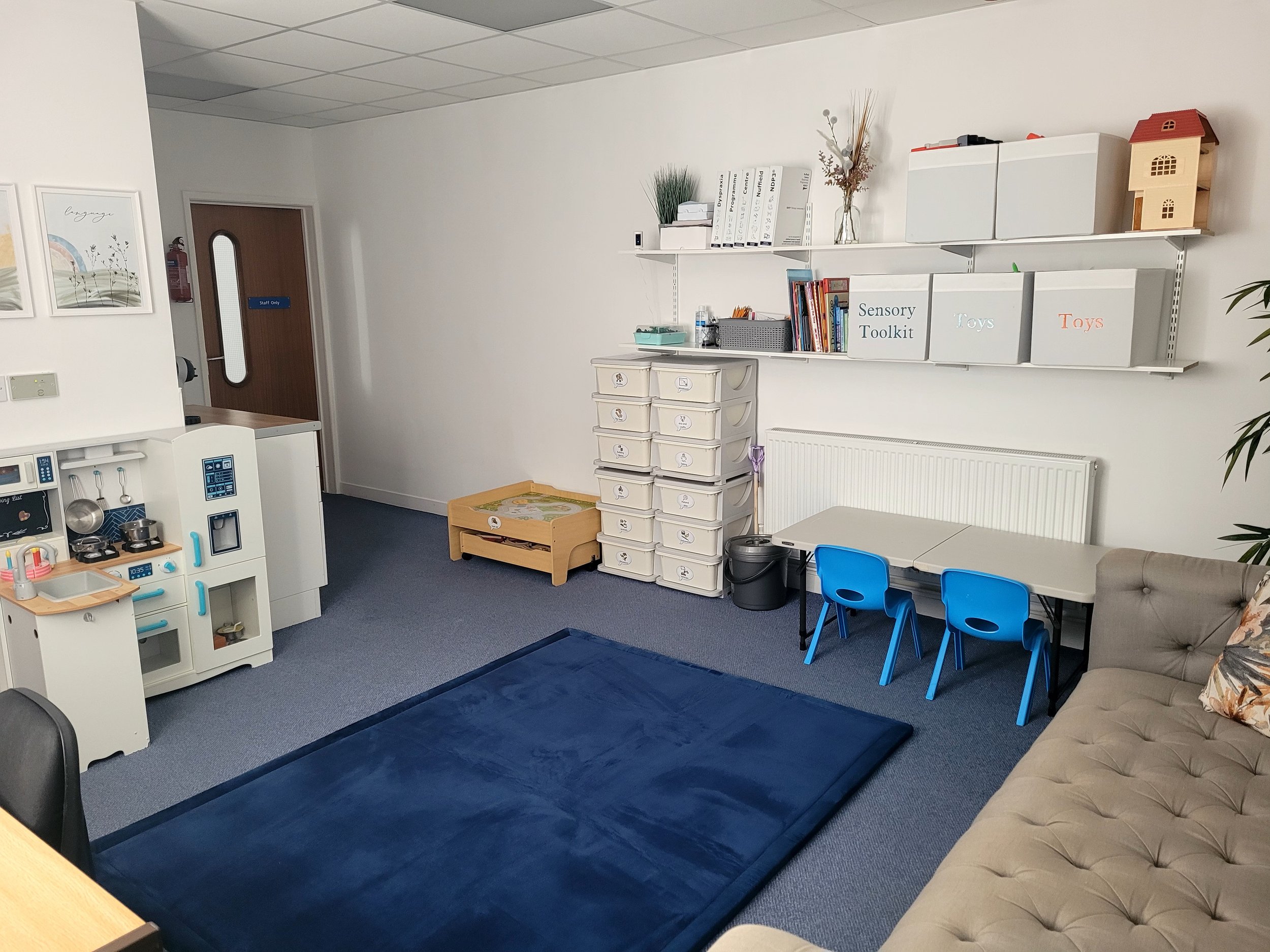
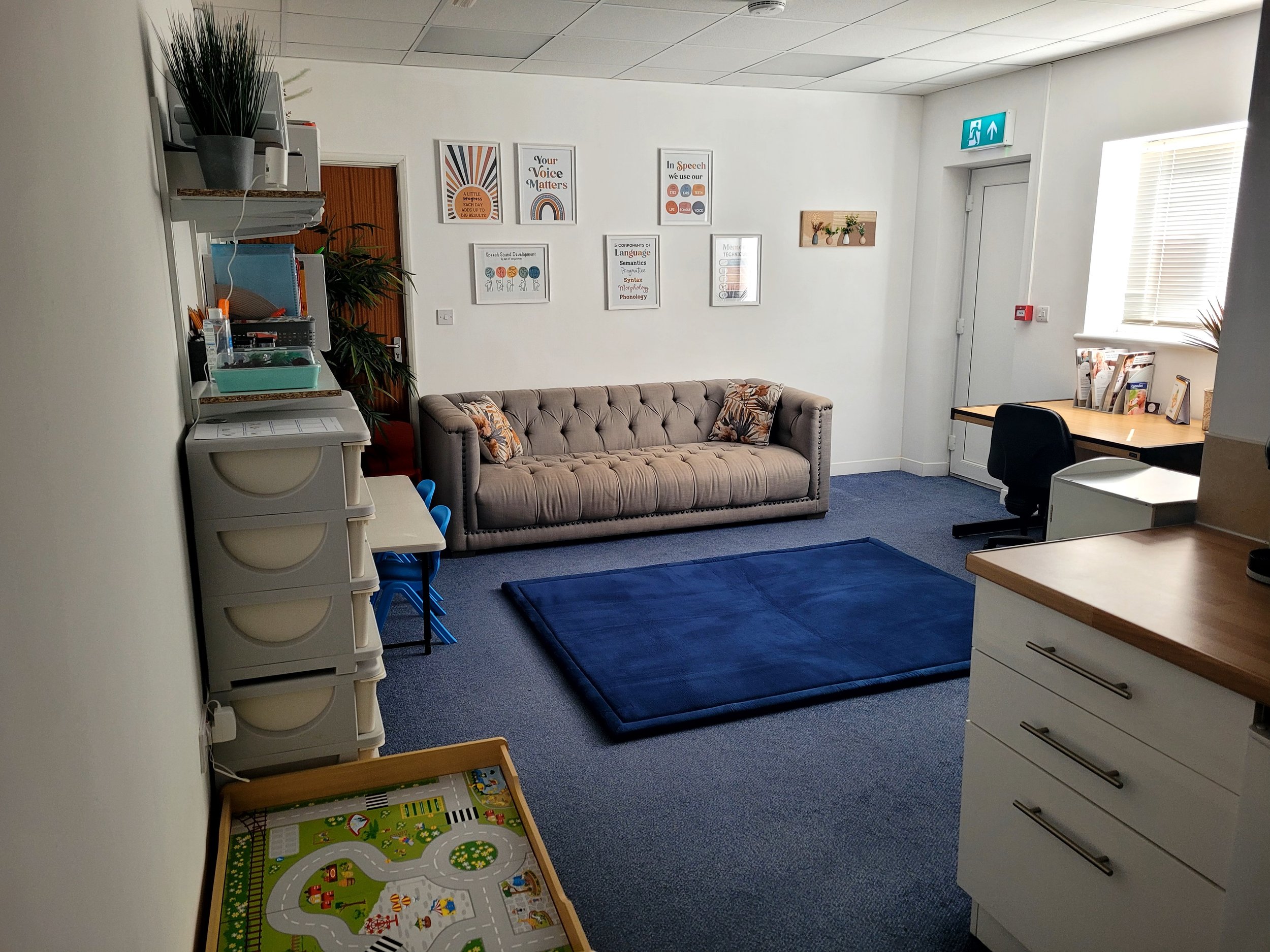
In-person sessions may be available from Lycali's Broadstairs and Whitstable locations.
Individualised Support
Content, communication style and practical strategies are tailored to the person or family.
Important Information
- The fund is limited and currently supports one selected applicant per month.
- Applying does not guarantee funded support.
- Sessions must be attended as agreed once allocated.
- Missed sessions or late cancellations may result in the funded place being withdrawn.
- Applicants may be asked to complete feedback after support has ended.
- A funded place is for one individual six-session block and cannot be transferred.
- Successful applicants cannot apply again for funded support for the same individual.
- The fund is provided by Lycali and is not affiliated with the NHS.
- This is not a crisis or emergency service.
Common Questions
Is the Access to Support Fund means-tested?
No. The fund is open to eligible applicants and is not means-tested. Lycali recognises that barriers to support are not always defined by financial circumstances alone.
Does applying guarantee a funded place?
No. One funded place is currently available each month, and applications may exceed the support available.
What support is included?
The selected applicant receives a funded six-session block of individualised post-diagnostic psychoeducation.
Who can the application be for?
An application may be for a child, young person or adult, or for parent or carer guidance following a child's diagnosis or identification.
Can I apply again if I am not selected?
Yes. If you are not selected, you are welcome to apply again during a future application window.
Can I apply again after receiving funded support?
No. An individual who has received the funded six-session block is not eligible to receive the same funded support again.
Will unsuccessful applicants be contacted?
Due to the number of applications, Lycali may not be able to contact every unsuccessful applicant individually.
Who provides the funding?
The Access to Support Fund is funded through Lycali and is not affiliated with the NHS.
Apply for the Access to Support Fund
Complete the application form below during the current monthly window. Please provide enough information for Lycali to understand who the support is for and how psychoeducation may help.
Leave us a review on Google: Leave a review
Reviews
-
![Five blue stars in a row representing a five-star rating.]()
The psychoeducation sessions at Lycali were incredibly helpful for our family. After our child’s autism diagnosis, we felt overwhelmed and unsure what it all meant for daily life. The sessions explained everything clearly and helped us understand our child’s strengths as well as their differences. We left feeling more confident.
-
![Five teal-colored five-pointed stars arranged in a horizontal line.]()
"Lycali provided a thorough and compassionate autism assessment. Everything was explained clearly, and I finally feel understood. I wish I’d done this sooner."
-
![Five blue stars in a row]()
"I’ve worked with other services before, but Lycali stands out for their professionalism and empathy. My therapist helped me navigate some really difficult times with sensitivity and skill."
-
![Five teal-colored five-pointed stars in a horizontal row.]()
I just wanted to say thank you to Dr Isobel Robb and Stephanie for making the assessment comfortable for both me and my parents to conduct. It was very thorough and the outcome will definitely help me in my future. I'm really thankful for receiving the results so quickly
-
![Five blue five-pointed stars aligned horizontally.]()
“Thank you so much for all your help, support and care. You have explained everything we needed and thank you for saying I can get in touch if we need any more help.”
-
![Five blue five-pointed stars arranged horizontally]()
“You were very patient with our son and always gave us ideas so that we could support him between therapy sessions. Thank you so much!”
-
![Five blue stars aligned horizontally in a row.]()
“After our daughter's Speech and language assessment, you offered great feedback and your report was very detailed. This was a huge help towards the EHCP process.”
-
![Five blue five-point stars aligned horizontally.]()
"My daughter’s speech has improved so much in just a few months. Our speech therapist at Lycali was kind, engaging, and always kept us involved with providing follow up activities. I highly recommend them."
-
![Five teal stars arranged in a horizontal row.]()
“Heidi was very engaging and really listened to the needs of my son. She explained her methods and gave us tips to try at home. We are really pleased with the service.”
-
![]()
“The calls have helped me to find more space and given me a safe space to discuss and release emotions. Tim's nature and communication is comforting and supportive, he adds thoughts and questions which offer space to analyse and to help growth.”
-
![]()
"Heidi was very enthusiastic and knowledgeable. She gave our son room to explore and enjoyable targets".
-
![Five blue stars aligned horizontally on a black background.]()
"Heidi was very patient with my child and has made him confident to use his voice"
-
![Five teal five-pointed stars in a horizontal row.]()
"I can’t thank you enough for your help and support with my son. I will most certainly be coming back to your services again for an autism assessment".
-
![Five blue five-pointed stars aligned horizontally.]()
"The ADHD assessment process was seamless, evidence-based, and respectful. I felt listened to throughout, and the diagnosis has helped me finally understand myself."
-
![Five blue stars in a row.]()
Everything has been amazing so thanks to you, Isobel and Stephanie. You have made things really easy with clear and quick communication and they really created a safe environment instantly.
-
![]()
Thank you so much. It was a pleasure working with your staff. They were really kind and helpful and made the process easier for both me and Matilda.
-
![Five blue stars arranged in a row.]()
"We had a brilliant experience with Lycali. The assessment process was clear, kind, and professional from start to finish. My son felt at ease, and we finally have a clear plan for supporting his needs."
-
![Five blue stars arranged in a horizontal line.]()
"I was nervous about starting therapy, but the team at Lycali made me feel heard and respected from day one. Their care was outstanding, and the progress I’ve made is life-changing."

About Lycali
Lycali offers a professional and friendly service where time and attention can be taken to ensure the service received is of the highest standard and there is minimal waiting time. Our specialist team will always take the time to provide expert advice so you are aware of all the pre- and post-diagnostic and therapy services available. Our clinic is for children and adults, based in Thanet and surrounding areas. We provide online or in-person therapy sessions.




Because Every Individual Deserves to Be Understood