

Speech, Language & Communication Assessment for Children
Lycali provides specialist speech, language and communication assessments for children who may be experiencing difficulties with understanding, talking, speech sounds, social communication, attention, processing or confidence when communicating.
Make an EnquiryWhat Does Speech, Language and Communication Mean?
Communication is how children understand others, express themselves and connect with the world around them.
Language
Language is how we understand and use words, sentences, stories and conversations.
- Understanding questions and instructions
- Choosing the right words
- Joining words into sentences
- Explaining thoughts, ideas and feelings
Communication
Communication includes how we use language, gestures, facial expressions and social understanding.
- Starting and maintaining conversations
- Taking turns
- Using and understanding body language
- Considering another person’s perspective
Speech
Speech is how we produce sounds using the lips, tongue, palate, voice and breathing system.
- Producing speech sounds clearly
- Being understood by others
- Speaking fluently
- Using voice quality, pitch and volume
When Might an Assessment Be Helpful?
A speech, language and communication assessment may be helpful if you, your child’s school or another professional has noticed concerns with:
What We Can Assess
The assessment is tailored to your child’s age, needs and communication profile.
Understanding & Processing
- Attention and listening
- Understanding concepts and instructions
- Processing and working memory
- Vocabulary and word knowledge
Expressive Language
- Grammar and sentence structure
- Narrative and storytelling skills
- Word finding and vocabulary use
- Functional communication
Speech & Fluency
- Articulation and speech sounds
- Phonological processing
- Stammering or dysfluency
- Voice quality, loudness and pitch
Social Communication
- Conversation skills
- Non-verbal communication
- Pragmatic language
- Social understanding
Additional Needs
- Selective mutism
- Oro-motor development
- AAC and alternative communication
- Pre-verbal communication
Context & Environment
- Home communication profile
- School or nursery information
- Classroom observations where needed
- Support recommendations
What to Expect
We aim to make the assessment process clear, supportive and child-centred.
Case History
An informant completes information about your child’s development, communication and current concerns.
School Information
Where relevant, school or nursery provides information about how your child communicates in their setting.
Assessment
The therapist completes informal observation and formal assessments tailored to your child.
Feedback & Report
You receive feedback and a clear report with findings, recommendations and next steps.
Assessment Format
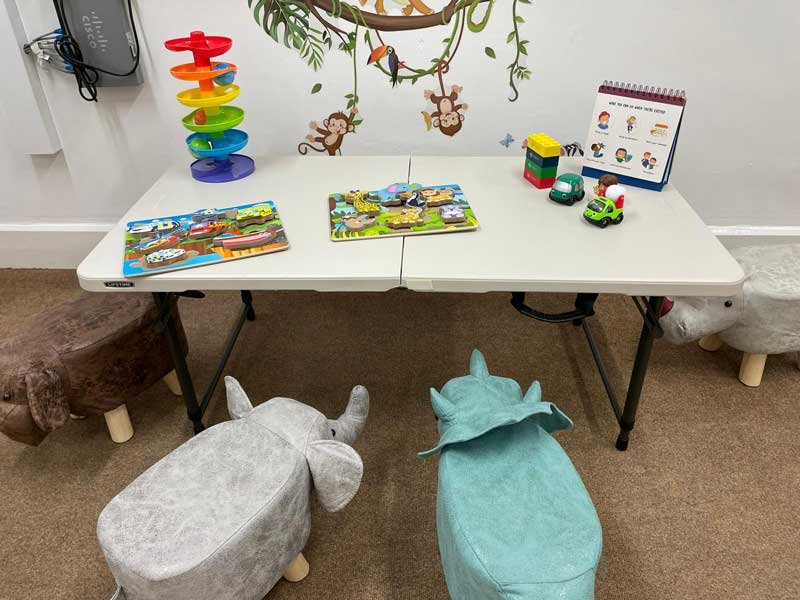
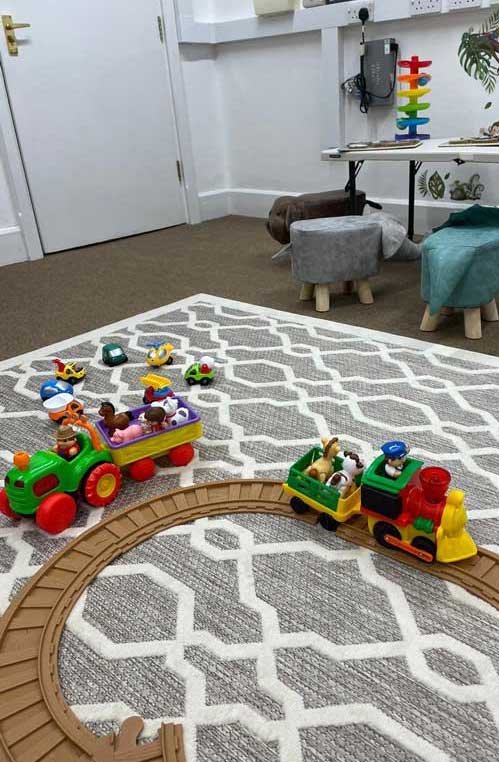
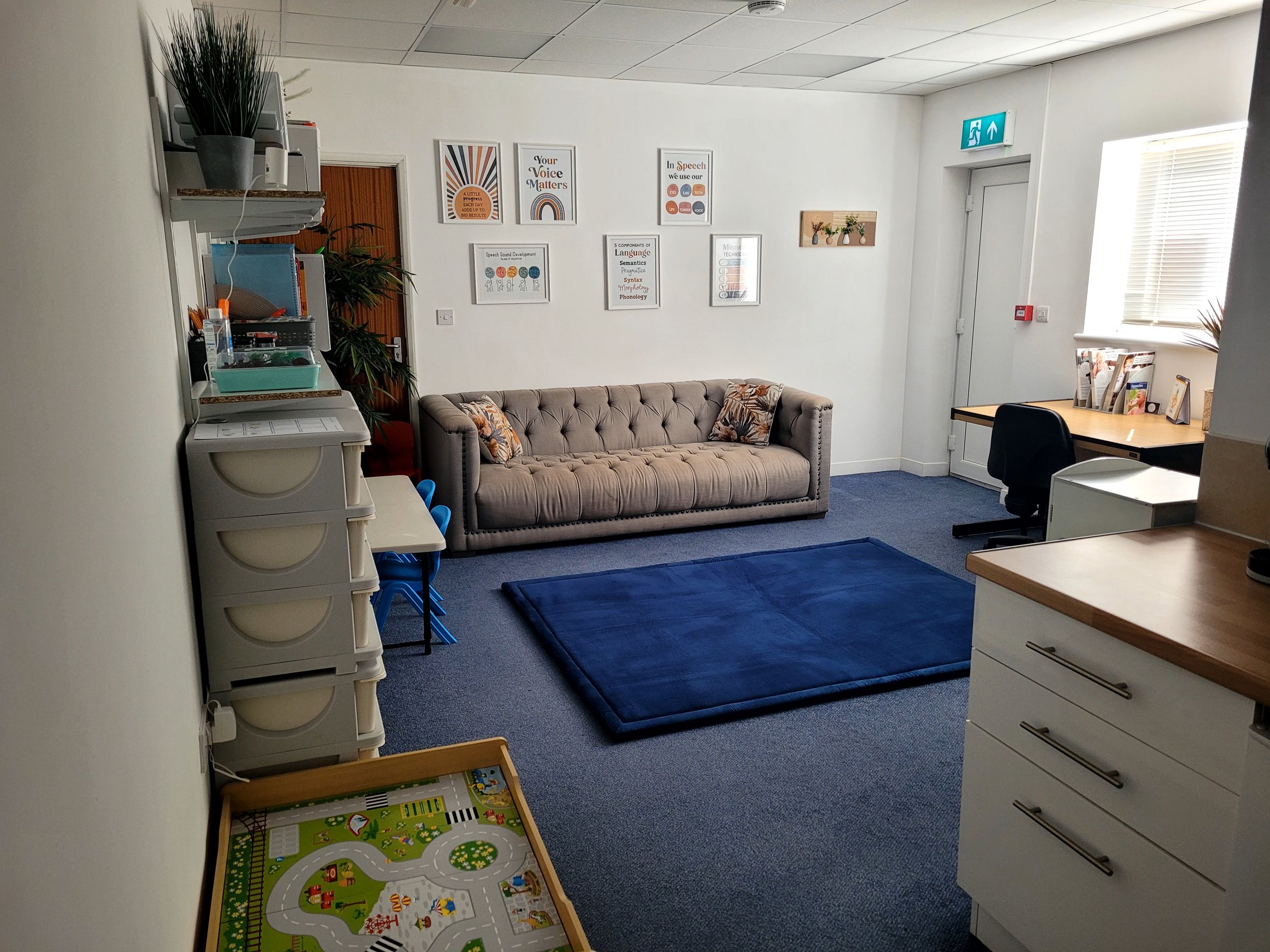
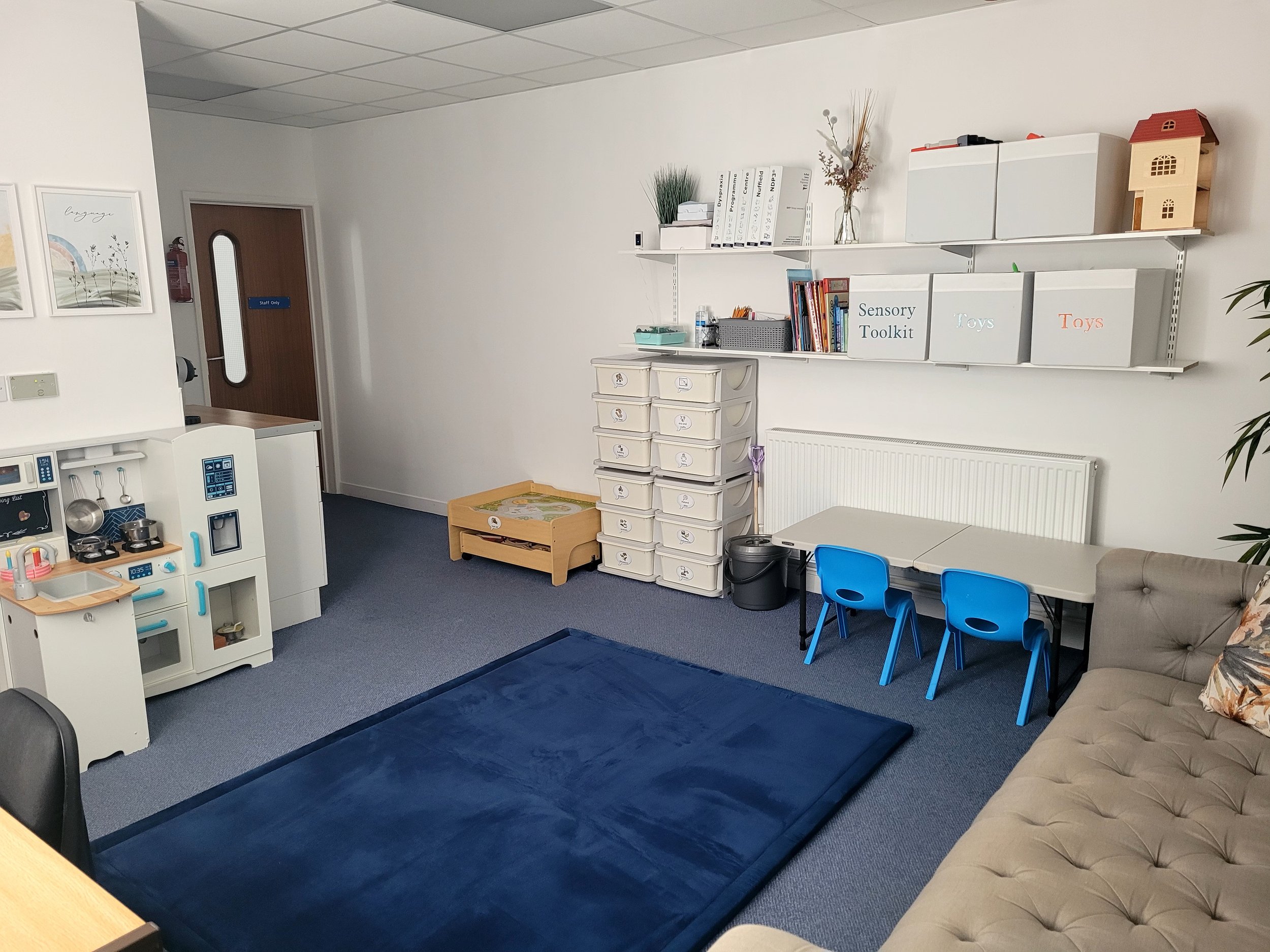
The assessment may take place at our clinic, in school or online, depending on your child’s needs and the type of assessment required.
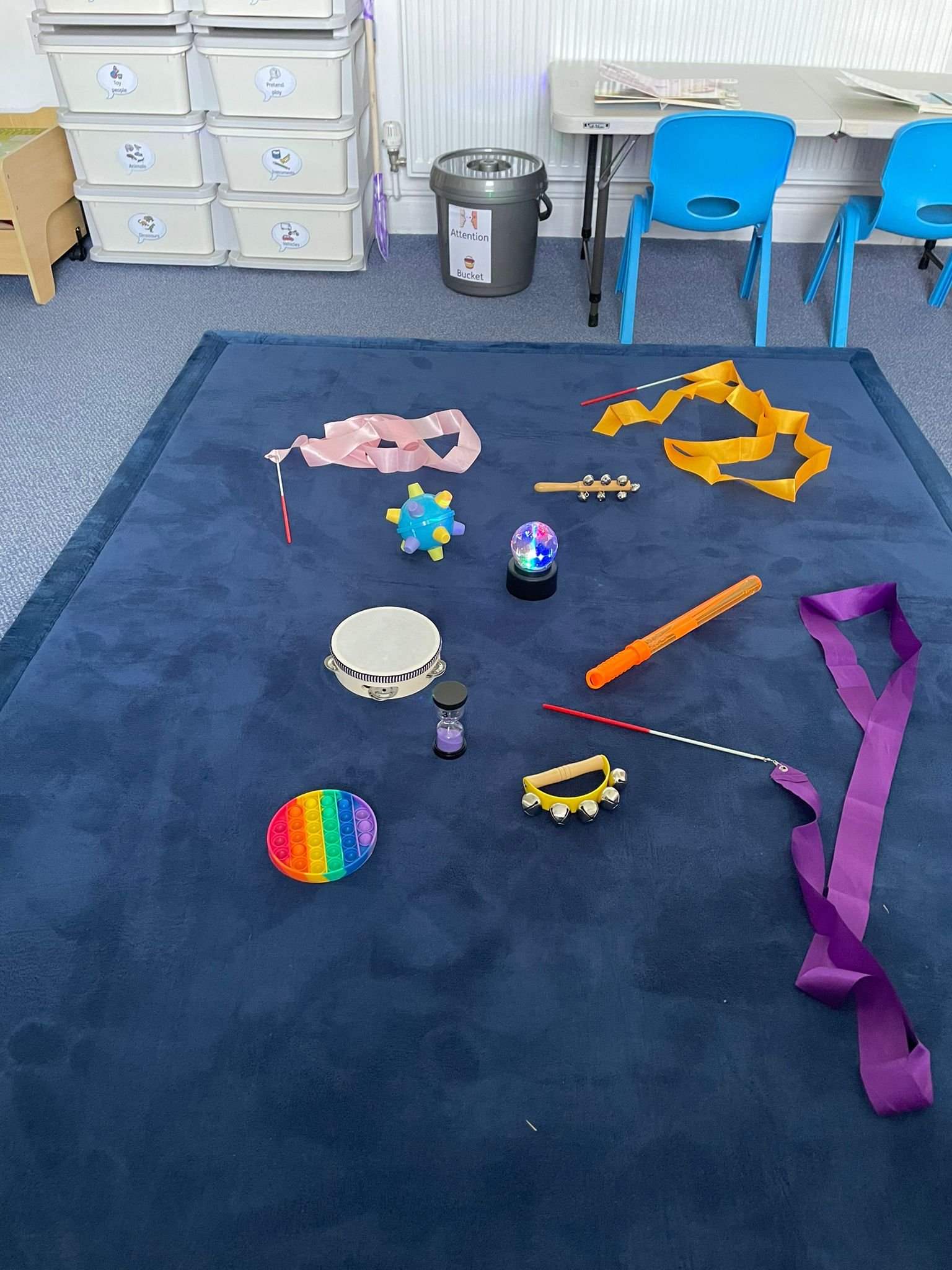
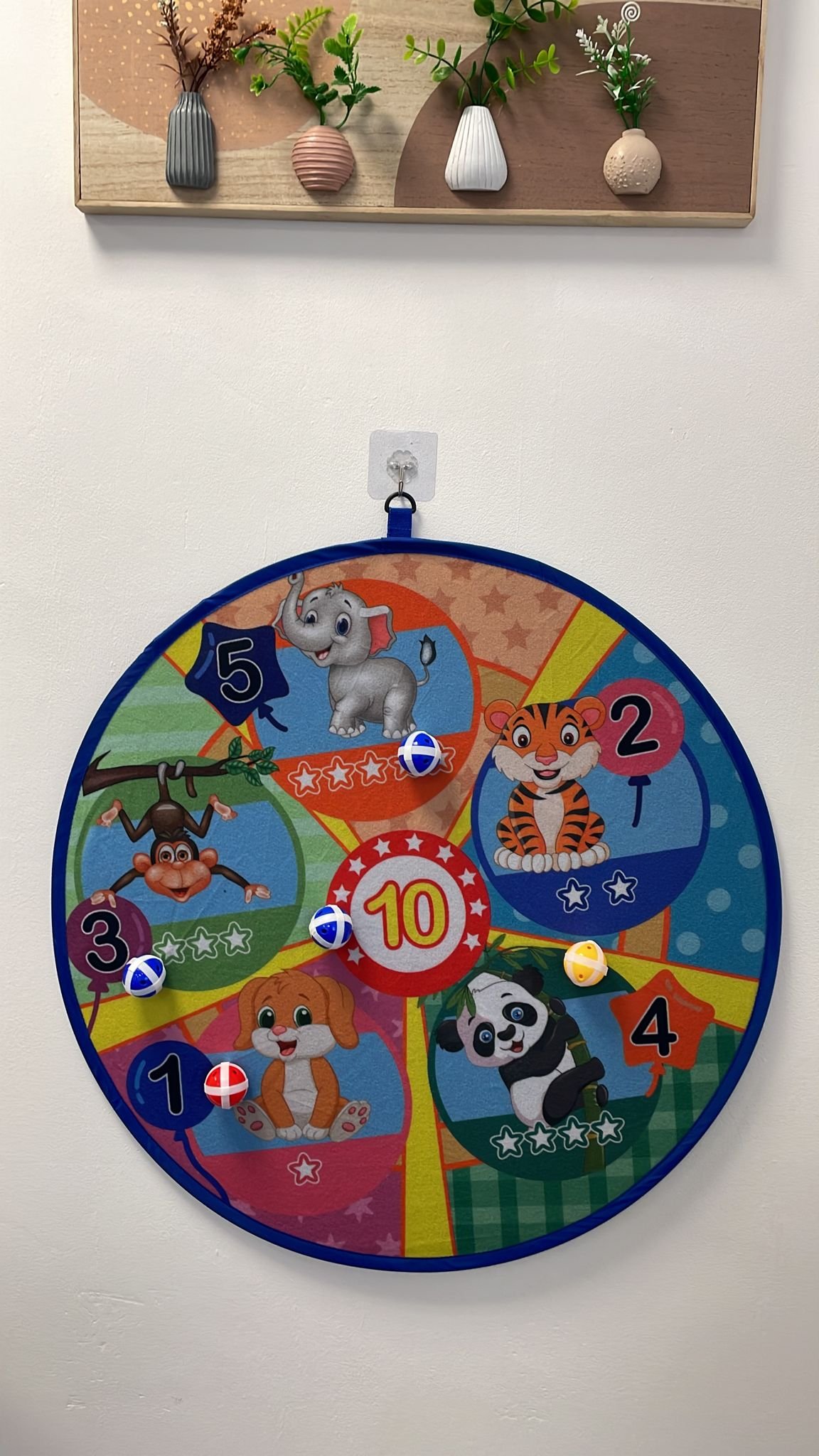
Most assessment materials are visually supported. There is no expectation for your child to read, write or spell during the assessment unless this is clinically relevant.
Assessment time can vary depending on your child’s age, engagement and the areas being explored. Many assessments take between 30 and 90 minutes.
Frequently Asked Questions
Will my child receive a diagnosis?
Where appropriate, the report may identify a speech, language or communication difficulty. The assessment will also provide a detailed profile of strengths, needs and recommendations.
Can the report be shared with school?
Yes. Reports can be shared with school, nursery, your GP, paediatrician or other professionals supporting your child. They can also support EHCP discussions where relevant.
When will we receive feedback?
Feedback is usually provided within 7 days of the assessment unless further information is required. A written report is usually sent within three weeks once findings have been discussed.
Can this lead to therapy?
Yes. If therapy is recommended, Lycali can advise on suitable next steps, including therapy sessions, school support, parent guidance or home strategies.
Not Sure Where to Start?
You do not need to know exactly what type of assessment your child needs before contacting us. Our team can help guide you towards the most appropriate pathway.
Contact Lycali

-
The fees are an accurate guide, but can vary depending on the service required. Please contact us for an individualised quotation.
*When applicable, we can provide means-tested discounts. If you're experiencing financial difficulties, please inform us, and we'll assess whether we can assist in covering part of the service expenses.
-
We accept payments via BACS Transfer.
-
We accept credit and debit card payments via Stripe for your convenience.
Please note that card payments are subject to a 2.99% processing fee, which will be added to the invoice total to cover transaction costs.
All payments are processed securely through Stripe, a trusted global payment provider.
-
For assessment services, we offer the option to pay in two instalments. The total fee can be split into two payments of 50%:
50% is payable at the time of booking to secure your assessment appointment.
The remaining 50% is due upon completion of the assessment, prior to the release of the final report.
There is no additional fee if paying via BACS.
Please note that any applicable card or Buy Now, Pay Later processing fees will be added if these payment methods are used.
-
If your assessment or therapy expenses are set to be covered by your private medical insurance, kindly provide us with your insurer details for seamless payment coordination between you and your insurance provider. Our affiliation encompasses registration with Aviva, AXA, BUPA and Vitality Health, facilitating a streamlined process for your convenience.
-
We are pleased to offer flexible payment options to make accessing our services easier. Clients can choose to pay via Klarna or PayPal “Buy Now, Pay Later”, subject to approval by the payment provider.
Please note that payments made using Klarna or PayPal Pay Later will incur an additional 4.99% processing fee, which will be added to the invoice total to cover transaction costs.
Availability of these payment options is subject to eligibility and approval by Klarna or PayPal, and we are unable to influence or guarantee approval decisions.
Our Payment Options
Reviews
-
![Five teal stars arranged linearly on a black background.]()
"Lycali provided a thorough and compassionate autism assessment. Everything was explained clearly, and I finally feel understood. I wish I’d done this sooner."
-
![Five teal five-pointed stars aligned horizontally on a white background.]()
"I’ve worked with other services before, but Lycali stands out for their professionalism and empathy. My therapist helped me navigate some really difficult times with sensitivity and skill."
-
![Five blue stars in a row indicating a five-star rating.]()
I just wanted to say thank you to Dr Isobel Robb and Stephanie for making the assessment comfortable for both me and my parents to conduct. It was very thorough and the outcome will definitely help me in my future. I'm really thankful for receiving the results so quickly
-
![Five teal five-pointed stars aligned horizontally on a white background.]()
“Thank you so much for all your help, support and care. You have explained everything we needed and thank you for saying I can get in touch if we need any more help.”
-
![Five teal five-pointed stars arranged in a horizontal row.]()
“You were very patient with our son and always gave us ideas so that we could support him between therapy sessions. Thank you so much!”
-
![Five blue stars aligned in a row.]()
“After our daughter's Speech and language assessment, you offered great feedback and your report was very detailed. This was a huge help towards the EHCP process.”
-
![Five blue stars arranged in a row with black text underneath that reads "Rating 4.5".]()
"My daughter’s speech has improved so much in just a few months. Our speech therapist at Lycali was kind, engaging, and always kept us involved with providing follow up activities. I highly recommend them."
-
![Five blue stars in a row.]()
“Heidi was very engaging and really listened to the needs of my son. She explained her methods and gave us tips to try at home. We are really pleased with the service.”
-
![]()
“The calls have helped me to find more space and given me a safe space to discuss and release emotions. Tim's nature and communication is comforting and supportive, he adds thoughts and questions which offer space to analyse and to help growth.”
-
![]()
"Heidi was very enthusiastic and knowledgeable. She gave our son room to explore and enjoyable targets".
-
![Five blue five-pointed stars aligned horizontally.]()
"Heidi was very patient with my child and has made him confident to use his voice"
-
![Five blue stars arranged in a horizontal line.]()
"I can’t thank you enough for your help and support with my son. I will most certainly be coming back to your services again for an autism assessment".
-
![Five teal five-pointed stars in a row on a black background.]()
"The ADHD assessment process was seamless, evidence-based, and respectful. I felt listened to throughout, and the diagnosis has helped me finally understand myself."
-
![Five blue stars aligned in a row.]()
Everything has been amazing so thanks to you, Isobel and Stephanie. You have made things really easy with clear and quick communication and they really created a safe environment instantly.
-
![]()
Thank you so much. It was a pleasure working with your staff. They were really kind and helpful and made the process easier for both me and Matilda.
-
![Five turquoise stars arranged in a horizontal row on a transparent background.]()
"We had a brilliant experience with Lycali. The assessment process was clear, kind, and professional from start to finish. My son felt at ease, and we finally have a clear plan for supporting his needs."
-
![Five blue stars aligned in a row.]()
"I was nervous about starting therapy, but the team at Lycali made me feel heard and respected from day one. Their care was outstanding, and the progress I’ve made is life-changing."

Leave us a review on Google: Leave a review
Lycali offers a professional and friendly service where time and attention can be taken to ensure the service received is of the highest standard and there is minimal waiting time. Our specialist team will always take the time to provide expert advice so you are aware of all the pre-and post-diagnostic and therapy services available. Our clinics are suitable for children and adults, and based in Thanet. We provide online or in-person therapy sessions.
About Lycali

Because Every Individual Deserves to Be Understood