

Resource Hub
Resources & Support for Families
Clear first steps when you are worried about a child, young person or family member. Explore common questions, understand when to seek urgent help and find specialist national services.
What are you worried about?
Select a question for a brief overview and the most appropriate next step. These answers do not diagnose a condition or replace individual medical advice.
Eating, food restriction & body image
Changes around food can have sensory, emotional, medical or eating-disorder-related causes and should be taken seriously.
When should I be concerned about eating?
Seek GP advice promptly if eating has become increasingly restricted, there is distress about weight or body shape, compensatory behaviour, secretive eating, rapid change, dizziness, fainting, weakness or a racing heart. Do not wait for someone to look underweight before asking for help.
Could this be sensory eating or ARFID?
Sensory differences, fear of consequences such as choking, and low interest in food can contribute to restrictive eating, including ARFID. A GP or specialist eating-disorder service should assess nutritional and physical risk; this cannot be decided safely from an online checklist.
Where can we get specialist support?
Contact your GP as soon as possible. Beat supports people of all ages and families affected by eating disorders. Call 0808 801 0677 in England or use its webchat and online resources.
Visit Beat supportWhere appropriate, Lycali can explore wider neurodevelopmental, sensory, emotional and everyday needs alongside—rather than instead of—specialist medical or eating-disorder care.
Ask us about the right pathwaySleep difficulties
Sleep may be affected by anxiety, sensory needs, routines, medication, pain, breathing difficulties or other health factors.
When should we ask for professional help?
Speak to a GP when sleep problems are persistent, significantly affect daily functioning, or occur alongside snoring or breathing pauses, pain, unusual night-time behaviour, severe daytime sleepiness, medication concerns or deteriorating mental health.
What information is useful to record?
A short sleep record can help a professional understand the pattern. Note approximate sleep and wake times, night waking, daytime sleep, medication and the impact on the person and family. Avoid changing prescribed medication without speaking to the prescriber.
Is there a national sleep service?
The Sleep Charity’s National Sleep Helpline supports adults, young people and parents of children aged 12 months and over. Call 03303 530 541 during its published opening hours.
Visit the National Sleep HelplineAutism and anxiety sleep coaching, psychological therapy, or psychosocial assessment and intervention may be appropriate depending on the underlying need.
View Lycali sleep coachingSelf-harm & thoughts of suicide
Self-harm is a sign that someone needs support. Asking calmly about safety or suicidal thoughts does not put the idea into their head.
What should I do if I discover self-harm?
Respond without punishment or judgement, check whether medical attention is needed and ask whether they feel safe now. Contact their GP even when injuries seem minor, as support is needed for both the injuries and what is driving the behaviour.
When is it an emergency?
Call 999 or go to A&E if there is serious injury, an overdose, immediate danger, suicidal intent or you cannot keep the person safe. For urgent mental health help, call NHS 111 and select the mental health option.
Who can they talk to right now?
Call Samaritans free on 116 123, text SHOUT to 85258, or—if under 19—call Childline on 0800 1111. These services do not replace 999 in an immediate emergency.
Once immediate safety and crisis needs have been addressed, psychological therapy or a psychosocial needs pathway may help explore emotional distress, regulation and wider contributing factors. Suitability is considered individually.
Explore psychological therapiesAnger, aggression & distressed behaviour
Aggressive behaviour can communicate overwhelm, fear, pain, unmet needs, communication difficulty or loss of control—but safety boundaries still matter.
What should we do during an incident?
Prioritise immediate safety, reduce demands and stimulation, use brief calm language and give space where safe. Avoid trying to reason through the cause at the height of distress. If violence is used or threatened and anyone is in immediate danger, call 999.
When does aggression need assessment?
Seek professional help when incidents are frequent, escalating, causing injury or damage, limiting family or school life, or represent a marked change. A fuller assessment can consider mental and physical health, communication, sensory needs, trauma, environment and neurodevelopment.
Where can parents get advice?
YoungMinds’ Parents Helpline offers mental health advice on 0808 802 5544. Coram Family Lives offers parenting and family support on 0808 800 2222. Neither is an emergency service.
Psychosocial Needs Assessment and Intervention can explore patterns, barriers and practical change. Psychological therapy, communication assessment or autism/ADHD assessment may also be relevant.
Explore psychosocial supportAnxiety, panic & low mood
Anxiety and low mood can show up through physical symptoms, withdrawal, irritability, shutdown, avoidance or changes in everyday functioning.
When should we seek help?
Ask for support when distress persists, worsens or interferes with sleep, eating, education, work, relationships or daily activities. A GP can consider physical and mental health factors and advise on NHS support.
What if they do not want to talk?
Keep the door open without demanding disclosure. Acknowledge what you have noticed, offer choices about who they might speak to and revisit the conversation calmly. You can still seek professional advice as a parent or carer.
Where can we get immediate listening support?
Samaritans is available on 116 123. Shout provides free UK text support by texting SHOUT to 85258. Children and young people under 19 can call Childline on 0800 1111.
Psychological therapies include counselling, CBT, DBT-informed skills, EMDR, play therapy and psychoeducation, matched to clinical need and practitioner suitability.
View psychological therapiesSchool avoidance & overwhelm
Difficulty attending school is often a sign that demands, distress or unmet needs have exceeded a young person’s current capacity.
Is school avoidance simply refusing to attend?
Not necessarily. Anxiety, bullying, sensory load, learning or communication needs, masking, trauma, unmet SEND needs and health difficulties can all contribute. Understanding the pattern and barriers is more useful than relying on a label alone.
Who should be involved?
Share concerns with the school’s SENCO or pastoral lead and your GP where health or mental health is affected. Ask for a coordinated discussion about need, reasonable adjustments, safety and a realistic plan.
When might an assessment help?
An assessment may be useful when needs are unclear, difficulties occur across settings or existing support is not working. The right assessment depends on the question—not every child needs a diagnosis.
Options include Psychosocial Needs Assessment and Intervention, autism or ADHD assessment, speech and language assessment, psychological therapy and SEND advocacy.
Discuss the most suitable pathwayNational services
Independent organisations offering information, listening support or specialist signposting. Opening times can change, so check the organisation’s website.
NHS urgent mental health help
Call 111 and select the mental health option for urgent assessment and advice. Use 999 or A&E where life is at risk.
View NHS guidanceSamaritans
Free, confidential listening support at any time. Call 116 123.
Contact SamaritansShout
Free, confidential, 24/7 UK text support. Text SHOUT to 85258.
Visit ShoutChildline
Confidential support for anyone under 19. Call 0800 1111 or use online support.
Visit ChildlineYoungMinds Parents Helpline
Advice for parents and main carers worried about a child or young person’s mental health. Call 0808 802 5544.
Visit YoungMindsBeat
Information and support for people of all ages affected by eating disorders, including families. England helpline: 0808 801 0677.
Visit BeatThe Sleep Charity
Sleep information and a national helpline for adults, young people and parents. Call 03303 530 541.
Visit The Sleep CharityCoram Family Lives
Emotional support and guidance about parenting and family life. Call 0808 800 2222.
Visit Family LivesMind
Mental health information, guidance and help finding support. Mind’s Infoline is not a crisis service.
Visit MindHow Lycali can help
Lycali provides clinician-led, neuro-affirming assessment, therapy and practical support for children, young people and adults. We will consider the concern, level of risk and desired outcome before recommending a pathway.
- Psychosocial Needs Assessment
For a broader understanding of strengths, needs, functioning, barriers and recommended next steps. - Psychosocial Intervention
Structured, practical and goal-directed support for meaningful change in everyday life. - Psychological Therapies
Support for anxiety, low mood, trauma, emotional regulation, relationships and family wellbeing. - Autism & Anxiety Sleep Coaching
Individualised support where autism, anxiety and sleep difficulties overlap. - Post-Diagnostic Psychoeducation
Structured support to understand autism, ADHD or dyslexia and apply this learning to daily life. - Neurodivergent Coaching
Goal-focused support with organisation, self-understanding, confidence and everyday strategies. - Neurodevelopmental & Learning Assessments
Autism, ADHD, dyslexia, dyscalculia, Irlen Syndrome and communication assessments. - Speech, Language & Communication Support
Assessment and therapy where communication needs may be affecting wellbeing, behaviour or participation.
Important: Lycali does not replace emergency, crisis, acute medical or specialist eating-disorder services. If our service is not the safest or most appropriate option, we will advise you to contact the relevant NHS or specialist pathway.
Tell us what support you needNot sure where to start?
Tell our team what is happening and what you would like help with. We can advise whether a Lycali pathway may be suitable.
Further Resources & Support
Explore practical, neuro-affirming resources to support children, young people and adults.
Book an Assessment Complete Free ScreeningUnderstanding Neurodivergence
Learn about autism, ADHD, dyslexia, PDA and related experiences.
Read ArticlesGuidance
Explore practical guides designed to support children, young people, adults and families.
PDA Strategies Guide
Support demand avoidance and reduce pressure.
View GuideAfter Diagnosis Guide
Clear next steps following an autism, ADHD or dyslexia diagnosis.
View GuideAutism & ADHD in Girls
Explore masking, underdiagnosis and emotional presentation.
View GuideExecutive Functioning Toolkit
Support planning, organisation, routines and task initiation.
View ToolkitEmotional Regulation Toolkit
Understand big emotions and explore supportive regulation approaches.
View ToolkitSchool Support Guidance
Practical classroom strategies and supportive adjustments.
View GuideThe LYCALI Framework™
Discover our structured framework for understanding and support.
View FrameworkPsychoeducation
Structured individual support after an autism, ADHD or dyslexia diagnosis.
Explore SupportDownloadable Resources
Open or download practical Lycali resources to use at home, in education or in the community.
Going Out Toolkit for Autistic Adults
A practical toolkit to support planning, preparation and confidence when going out.
Open ToolkitUnderstanding Dyslexia: Child Version
A child-friendly visual resource to support understanding and positive conversations about dyslexia.
View ResourceLanguage Through Colour
A visual language resource to support sentence building and understanding how words work together.
Open ResourceNot sure where to start?
Our team can help you identify the most appropriate assessment, therapy or support pathway.
Speak to our teamAbout our Clinics
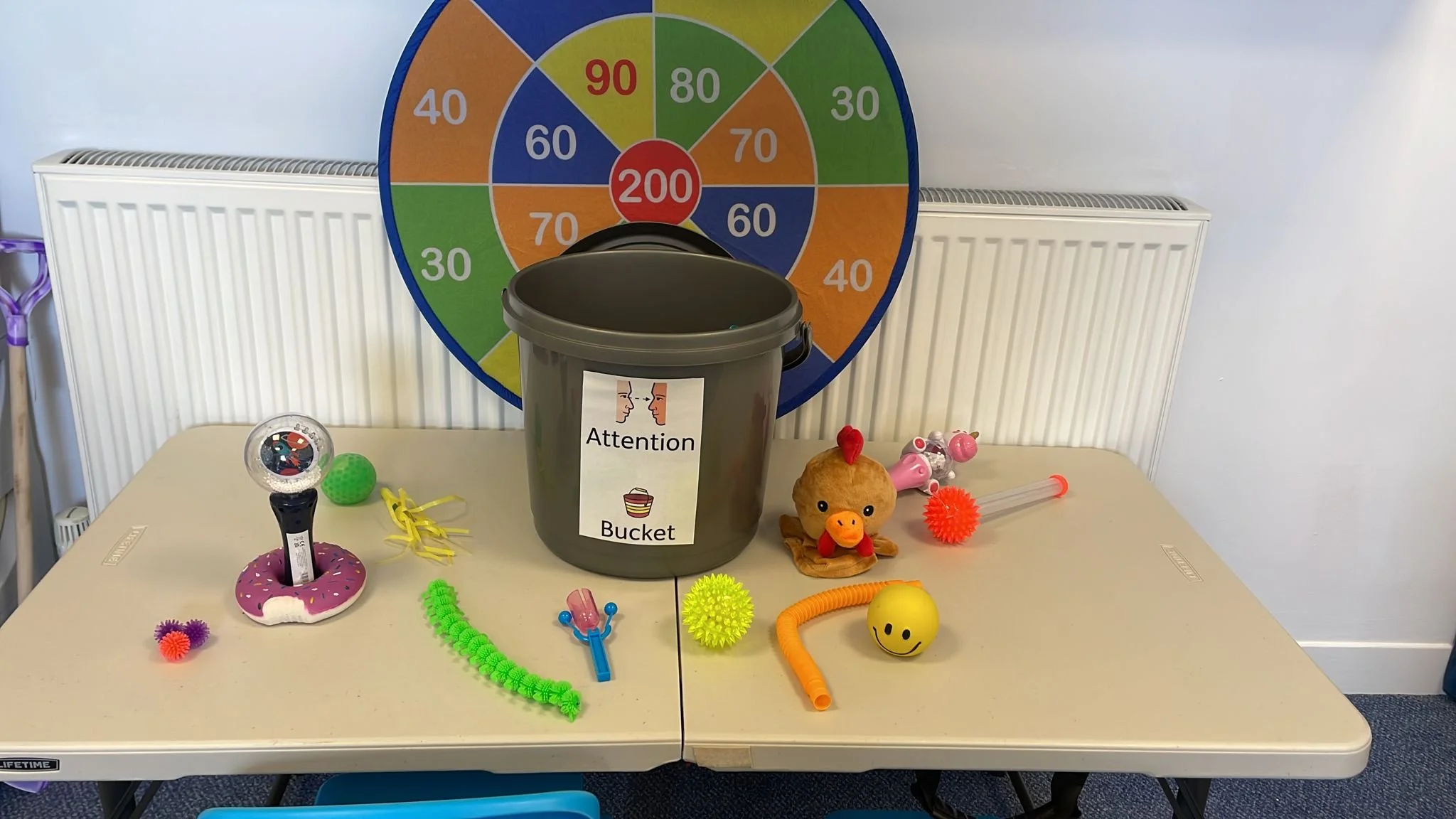
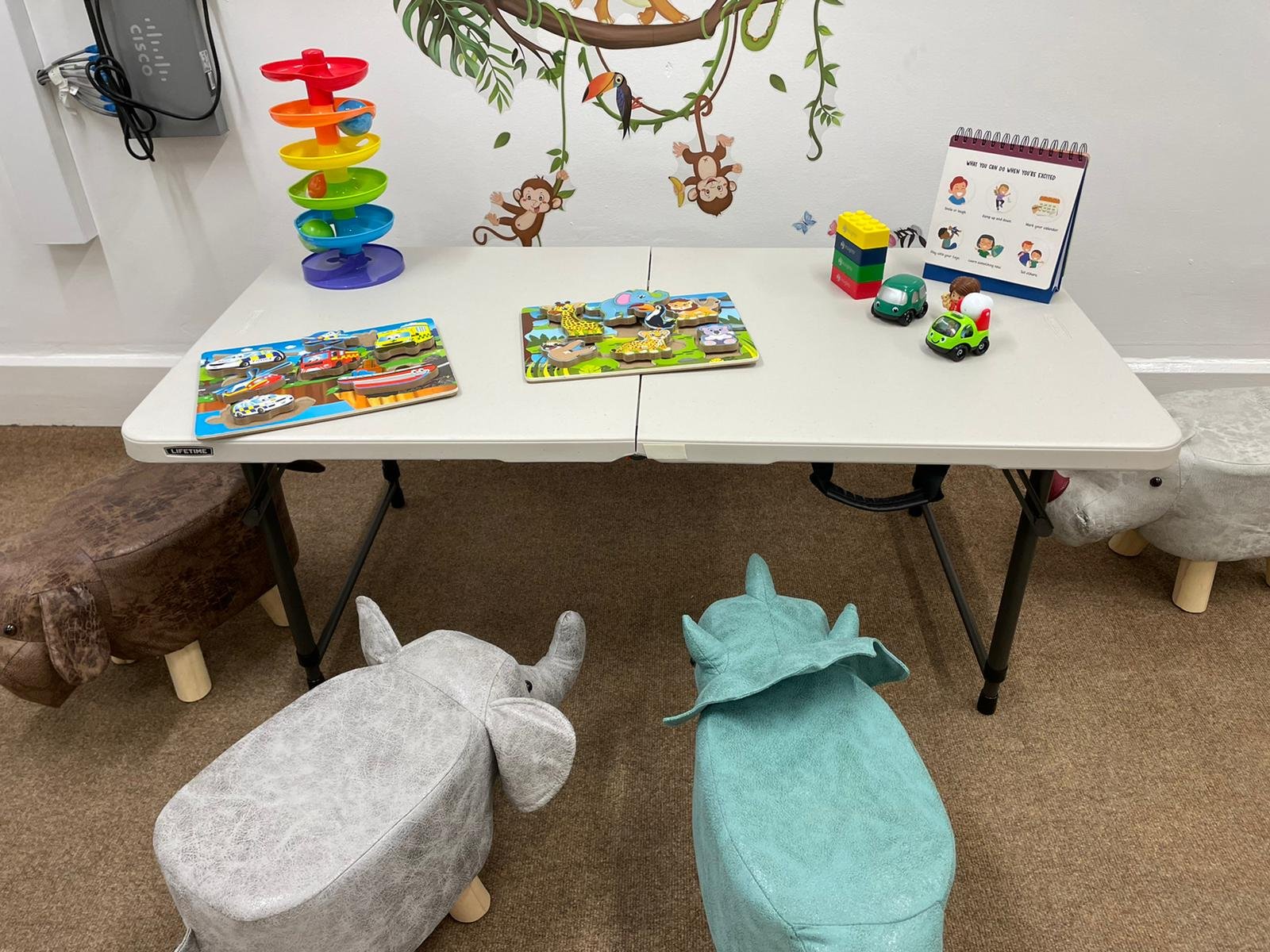
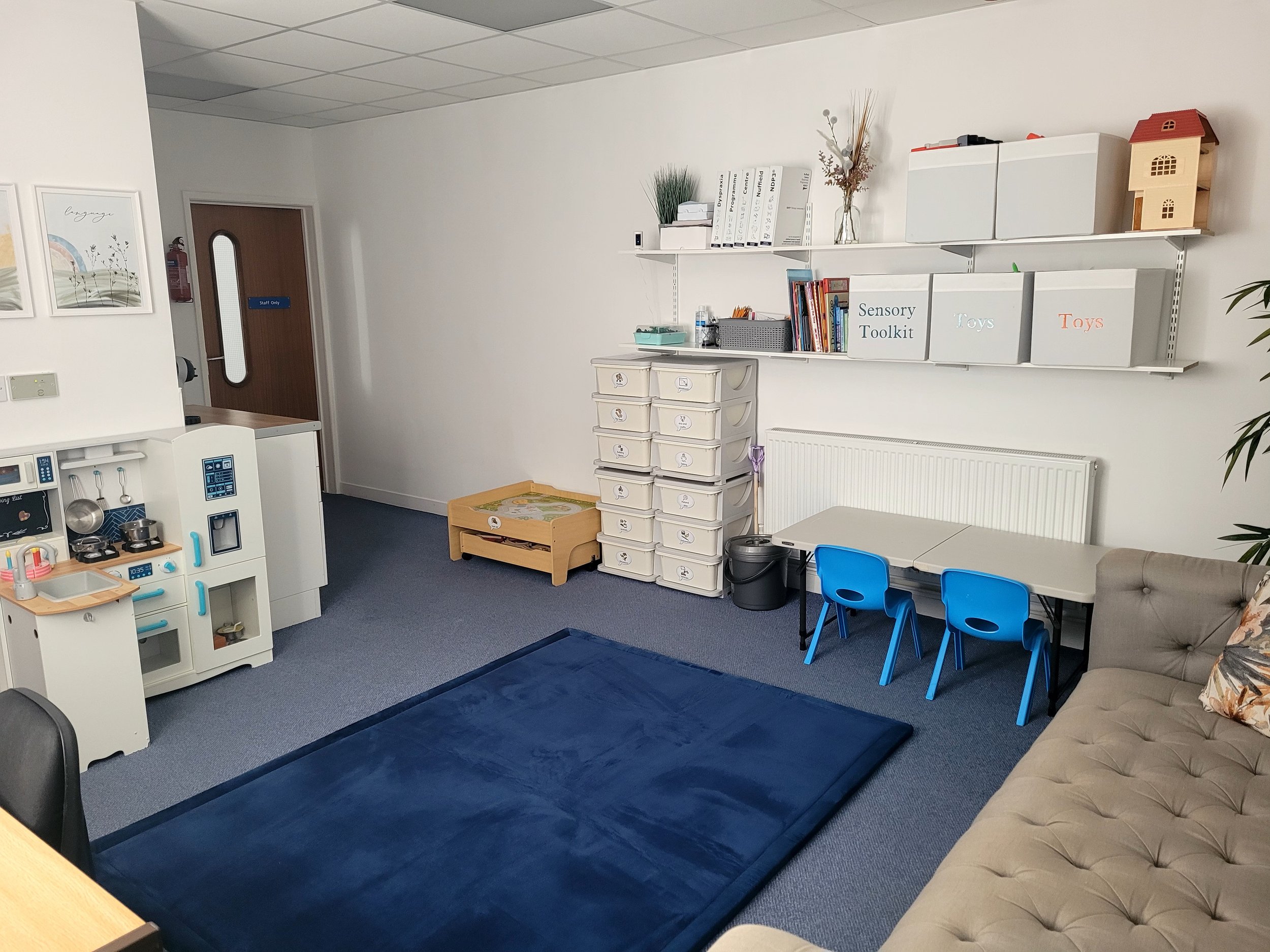
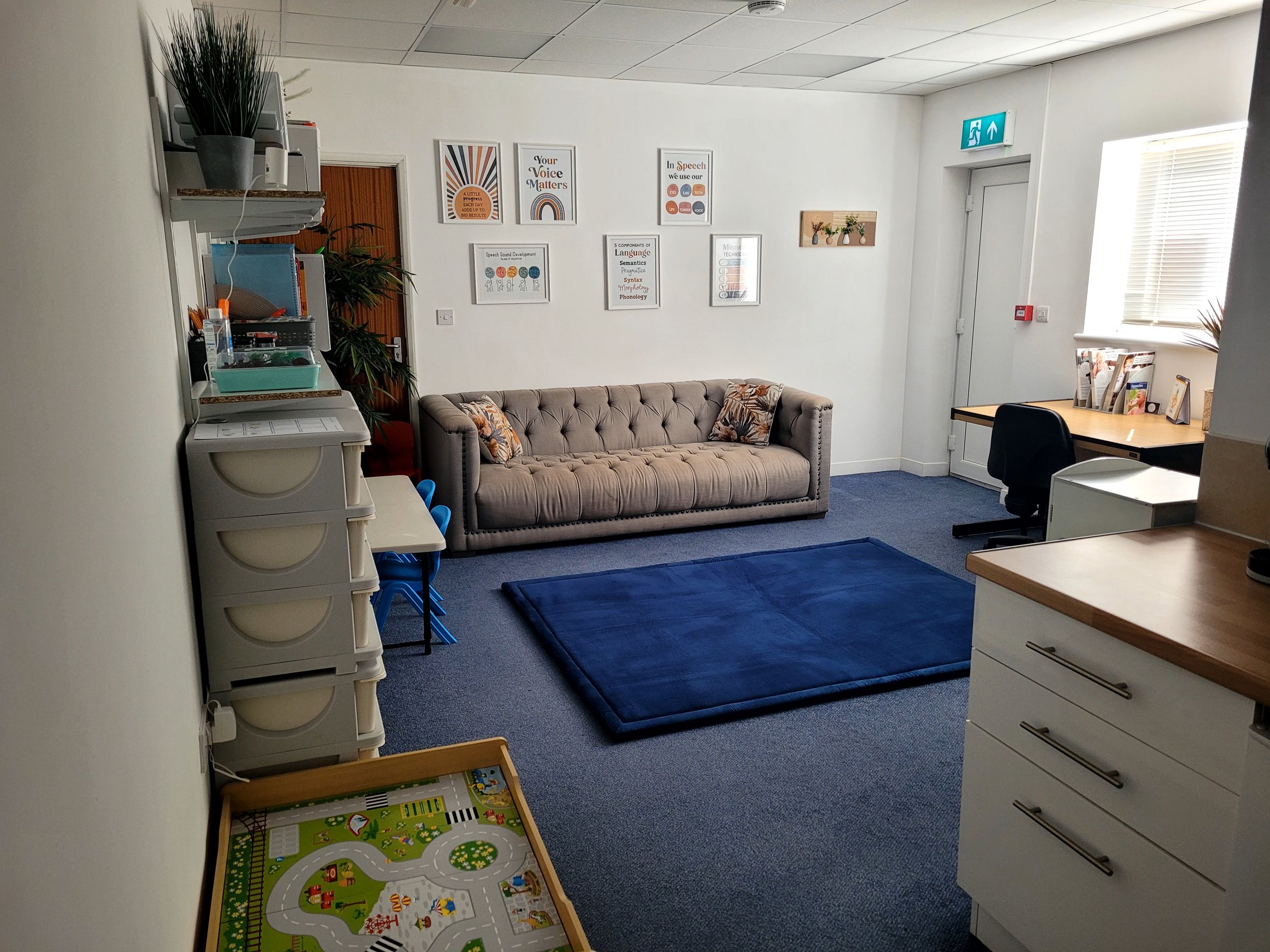
Our clinics are based in Margate and Whitstable




Because Every Individual Deserves to Be Understood